



5 Ways to Treat Achilles Tendon Injuries

November 9, 2026

Achilles tendon injuries affect the strong band connecting your calf muscles to your heel. They may cause pain, stiffness, swelling, or a sudden “pop” after activity. A podiatrist can identify the injury, determine its severity, and create a treatment plan that supports healing and a safe return to movement.

Podiatrist evaluating Achilles tendon injuries

What Causes Achilles Tendon Injuries?

The Achilles tendon works every time you walk, run, jump, or climb stairs. Repeated stress can irritate it, while a sudden force may strain or tear the tendon.

Common causes and risk factors include:

  • Increasing exercise intensity too quickly
  • Running or jumping on hard surfaces
  • Tight calf muscles or limited ankle flexibility
  • Unsupportive or worn-out footwear
  • Age-related tendon changes
  • Previous tendon problems

Achilles tendonitis, also called Achilles tendinopathy, usually develops gradually. A strain may involve overstretched tendon fibers. A rupture is a partial or complete tear and often requires prompt medical evaluation.

What Are the Symptoms of an Achilles Tendon Injury?

Symptoms vary according to the type and severity of the injury. You may notice:

  • Pain or tenderness above the heel
  • Stiffness that is worse in the morning or after rest
  • Swelling or thickening along the tendon
  • Pain during walking, running, or climbing stairs
  • Weakness when pushing off the foot
  • A sudden pop, bruising, or difficulty walking after an injury

A sudden pop followed by an inability to push off or stand on your toes may indicate an Achilles rupture. Seek medical care promptly rather than trying to “walk it off.”

How Does a Podiatrist Diagnose Achilles Tendon Injuries?

A podiatrist begins with your history and a physical examination. They may ask when the pain began, which activities worsen it, and whether you heard a pop or felt a sudden snap.

During the exam, the podiatrist may check:

  1. Tenderness, swelling, and thickening along the tendon
  2. Ankle flexibility and range of motion
  3. Calf strength and your ability to rise onto your toes
  4. Walking pattern and foot alignment
  5. Signs of a partial or complete rupture

Imaging may be recommended when the diagnosis is unclear or a significant tear is suspected. Ultrasound can show tendon structure and movement. An MRI may provide more detailed information about the location and extent of damage. Your treatment plan should be based on the findings—not just the pain level.

5 Ways a Podiatrist Can Treat Achilles Tendon Injuries

1. Activity Modification and Early Protection

Reducing or temporarily stopping painful activities helps prevent additional damage. Depending on the injury, your podiatrist may recommend rest, ice, compression, elevation, a walking boot, or crutches. The goal is not permanent inactivity; it is controlled protection while the tendon begins to recover.

2. Physical Therapy and Stretching

A structured rehabilitation program can improve flexibility, strength, balance, and tendon capacity. Exercises often progress from gentle movement to calf strengthening and eccentric loading. Advancing too quickly can trigger setbacks, so follow the schedule provided by your clinician or physical therapist.

3. Footwear, Orthotics, and Support

Shoes with appropriate cushioning and stability may reduce strain during recovery. Custom orthotics can sometimes help address alignment or mechanics that place extra stress on the Achilles tendon. Your podiatrist can evaluate whether support is appropriate for your feet, activity level, and symptoms.

4. Medication and Targeted Care

A clinician may discuss pain-relief options and other conservative treatments. Do not assume that every medication or injection is appropriate for tendon pain. Some treatments may carry risks depending on the tendon’s condition, your health history, and whether a tear is present.

5. Surgery for Severe Tears

Complete ruptures, certain partial tears, or injuries that do not respond to appropriate nonsurgical care may require surgical consultation. Surgery is not automatically necessary, but timely assessment matters because treatment decisions can depend on the injury’s location, severity, activity goals, and overall health.

Achilles tendon rehabilitation exercise

How Long Does Achilles Tendon Recovery Take?

Recovery depends on whether you have tendinopathy, a strain, a partial tear, or a rupture. Mild irritation may improve over several weeks with consistent care. More significant injuries can require several months of rehabilitation, and recovery after surgery may take longer.

Pain is only one measure of progress. A tendon may feel better before it is ready for sprinting, jumping, or sports. Your podiatrist can help establish gradual milestones, such as comfortable walking, restored strength, controlled single-leg heel raises, and a safe return to higher-impact activity.

When Should You See a Podiatrist?

Schedule an evaluation if Achilles pain persists, returns whenever you exercise, or interferes with normal walking. Prompt care is especially important after a sudden injury, pop, swelling, bruising, or loss of push-off strength.

Do not massage aggressively, stretch forcefully, or return to sports through sharp pain. Those approaches may worsen an injury or delay diagnosis. If you have diabetes, circulation concerns, or another condition that affects healing, seek professional guidance early.

For related lower-extremity concerns, explore information about tendonitis , sports injuries , sprains , and heel pain . You can also learn more about our complete foot and ankle services .

Frequently Asked Questions

Can Achilles tendon injuries heal without surgery?

Many cases of Achilles tendinopathy and some partial injuries improve with activity modification, rehabilitation, footwear changes, and medical supervision. Complete ruptures or severe injuries may need surgery. A podiatrist can explain which option fits your diagnosis.

Should I keep walking with Achilles tendon pain?

Avoid activities that cause sharp or increasing pain. Gentle walking may be acceptable for some minor injuries, but significant pain, weakness, swelling, or difficulty pushing off requires an evaluation. Use support only as directed by a clinician.

Is Achilles tendonitis the same as a rupture?

No. Tendonitis or tendinopathy generally involves irritation and degeneration, often developing gradually. A rupture is a partial or complete tear that may occur suddenly and can cause a pop, bruising, weakness, or difficulty walking.

Can I prevent Achilles tendon injuries?

You can lower risk by increasing training gradually, warming up, strengthening the calves, maintaining ankle flexibility, wearing suitable shoes, and responding early to persistent pain. Rest days and varied training surfaces may also reduce repetitive stress.

Your Next Step for Achilles Tendon Care

Achilles tendon injuries are easier to manage when they are evaluated early and treated according to their severity. A podiatrist can distinguish routine tendon irritation from a partial tear or rupture, then guide protection, rehabilitation, support, or referral when needed. If pain is persistent—or began with a pop, swelling, or sudden weakness—schedule an appointment instead of testing the tendon with more activity. Bring details about when symptoms began, your recent exercise, and any footwear changes. With an accurate diagnosis and steady recovery plan, you can work toward comfortable, confident movement.

Custom foot orthotic inserts for shoes
July 24, 2026
Discover the top benefits of custom foot orthotics. Learn how personalized prescription inserts improve mobility, reduce pain, and outperform generic insoles.
Feet in flip flops on a sunny beach representing summer foot safety.
June 18, 2026
Learn 5 essential summer foot safety tips to prevent fungal nails, athlete's foot, and sprains. Keep your feet healthy and pain-free during the 2026 summer season.

By VIV Builder • April 9, 2026
Keep your feet healthy and pain-free this Foot Health Awareness Month. Learn about heel pain, orthotics, diabetic care, and injury treatment to stay active.

By VIV Builder • March 17, 2026
Achilles tendonitis can cause heel pain and stiffness that worsens over time. Learn the symptoms, causes, and how podiatry care can help you recover and stay active.

By VIV Builder • March 1, 2026
Ingrown toenails can quickly become painful if left untreated. Learn causes, symptoms, and how podiatry care can provide safe, effective relief and prevention.
By VIV Builder • February 19, 2026
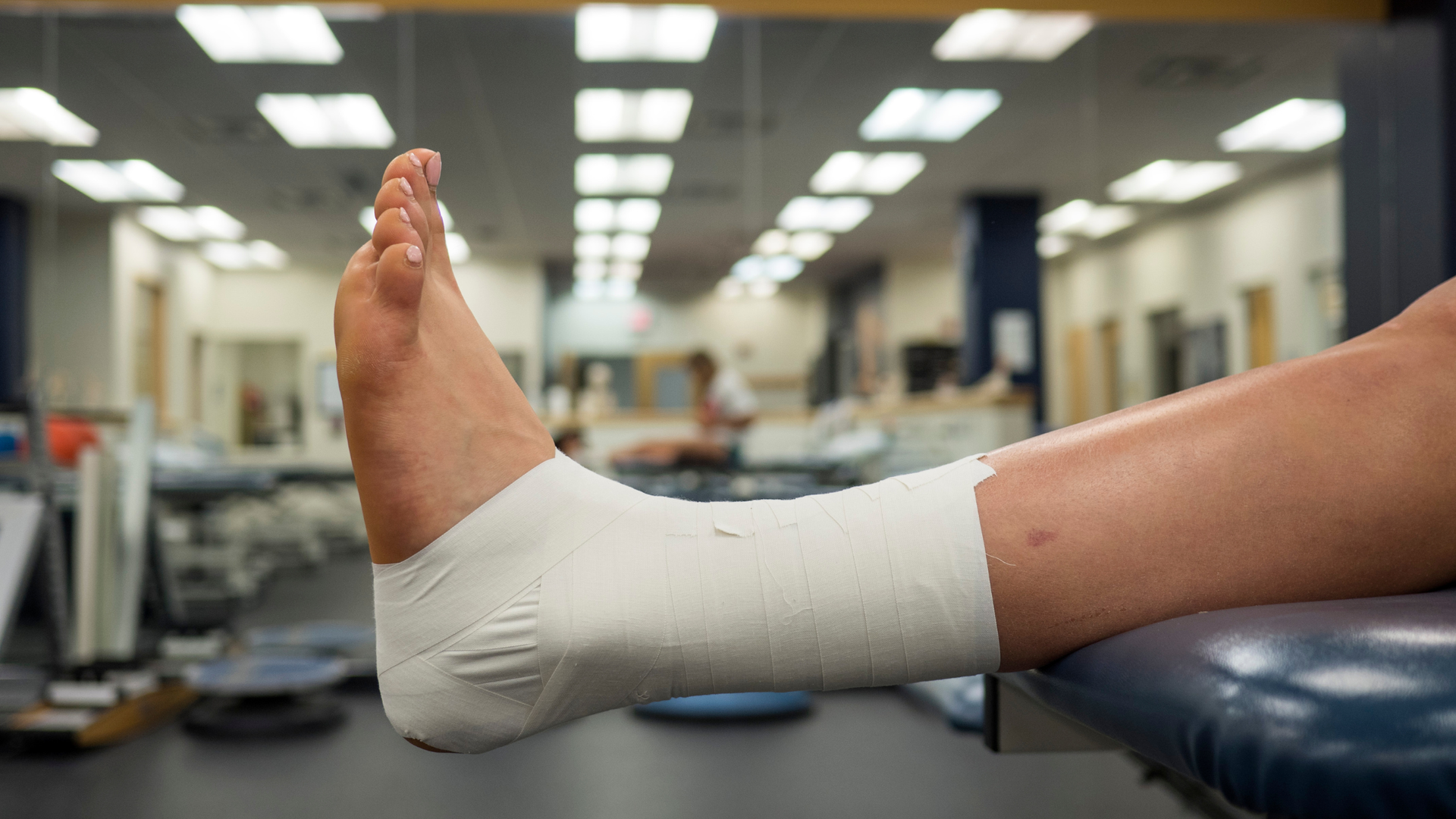
Don’t ignore an ankle sprain. Learn symptoms, causes, and why early treatment is key to preventing long-term pain and instability with expert podiatry care.
By VIV Builder • February 5, 2026
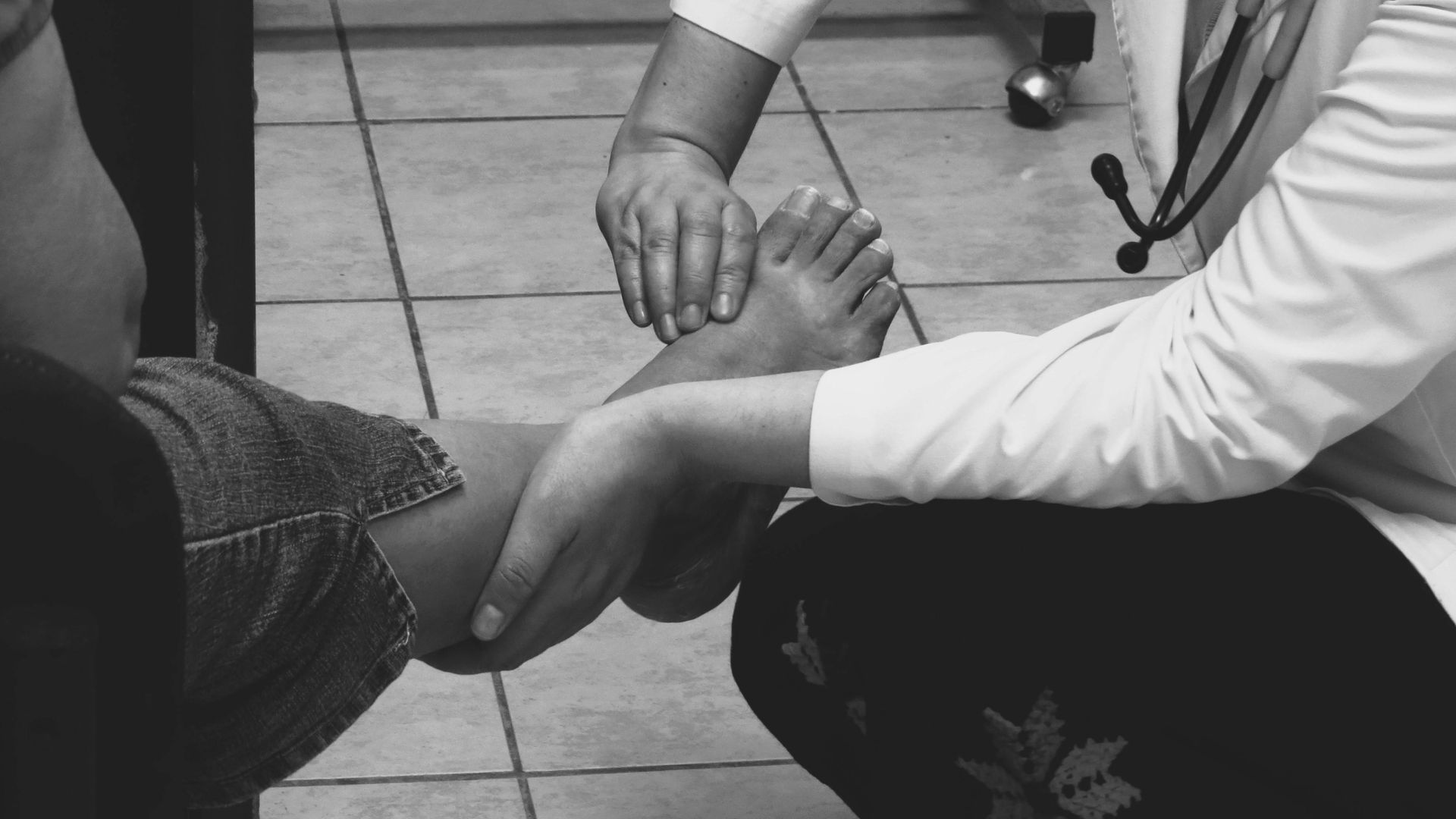
Show your feet some love this February. Learn about common foot problems like heel pain, ingrown toenails, and diabetic foot care, and how podiatry treatment can help.

By VIV Builder • January 23, 2026
Learn what a podiatrist does and how they can help treat foot and ankle conditions. Discover when to seek care and how to stay active, pain-free, and healthy.

By VIV Builder • January 9, 2026
Start the new year pain-free by addressing heel pain early. Learn common causes like plantar fasciitis and how podiatry care can help you stay active and comfortable.

By VIV Builder • December 18, 2025
Start 2026 on the right foot with expert podiatry care. Learn how to prevent foot pain, improve mobility, and stay active with comprehensive exams and treatment options.

Show More